
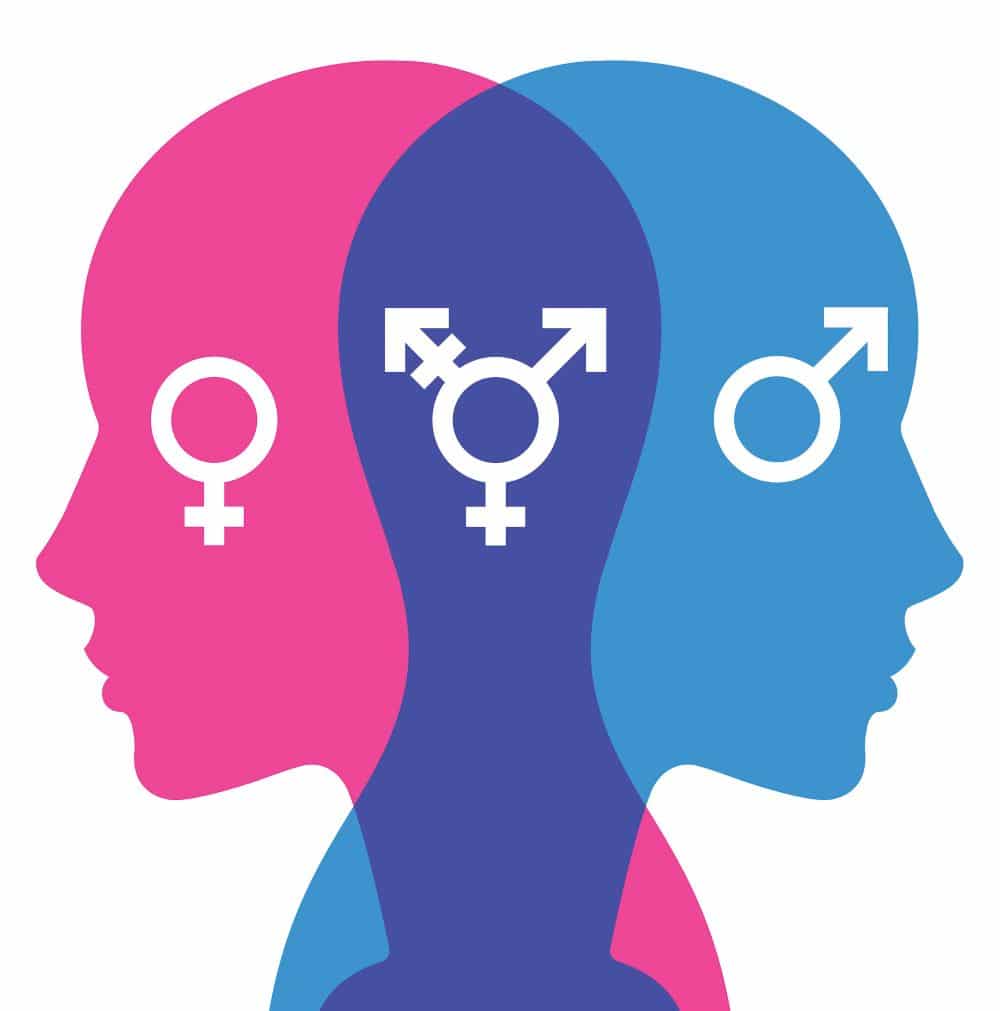

Gender transition is a deeply personal and multifaceted journey that involves not only physical changes, but also emotional and social transformations. In this process, the support of family and friends is critical to the well-being and successful integration of transgender individuals. The acceptance and understanding of loved ones can make a significant difference in the mental and emotional health of those who choose to live in accordance with their gender identity.
Research such as that conducted by Christopher Ryan, Sarah T. Russell, Deborah Huebner, Robert M. Diaz, and Jennifer Sanchez in their study titled "Family Acceptance in Adolescents and Young Adults with Lesbian, Gay, and Bisexual Parents" published in the Journal of Adolescent Health in 2010, have shown that positive family support is closely related to better mental health outcomes for transgender adolescents. In their research, Ryan et al. found that when families show acceptance and understanding, transgender individuals tend to experience lower levels of depression and anxiety, as well as higher self-esteem. This type of support can manifest in a variety of ways, from the correct use of the new pronouns to accompaniment during medical appointments and hormone therapies, which reinforces a sense of belonging and validation.
On the other hand, lack of support or hostility from family and friends can have devastating consequences. Discrimination and family rejection are significant risk factors for mental health, increasing vulnerability to suicidal thoughts and self-destructive behaviors. Edward Coleman and colleagues, in their study "Standards of Care for the Health of Transsexual, Transgender, and Gender Nonconforming People, Version 7" published in the International Journal of Transgenderism in 2012, emphasize that medical interventions and adequate social support are vital to the psychological and emotional well-being of transgender people. Coleman et al. assert that without a supportive environment, transgender people face greater challenges to their mental health and their ability to lead full and satisfying lives.
In addition, the American Psychological Association, in its "Guidelines for Psychological Practice with Transgender and Gender Nonconforming People" published in 2021, emphasizes the importance of educational programs and support resources that facilitate understanding and empathy toward the experiences of transgender people. According to this guide, education and awareness within the family and social environment are essential to eliminate prejudice and foster an inclusive and respectful environment. The American Psychological Association recommends that families participate in workshops and information sessions to better understand the needs and challenges faced by transgender individuals during their transition.
Friends also play a vital role in this process. They act as a source of constant emotional support and a safety net that complements family support. John M. Grant, Lee Anne Mottet, Judith Tanis, Julia Harrison, Janet L. Herman and Michael Keisling, in their "National Transgender Discrimination Survey Report on Health and Health Care" published in the American Journal of Public Health in 2011, note that social support from friends is associated with greater life satisfaction and a lower incidence of mental health problems in transgender people. Grant et al. note that friends can provide a safe space to express feelings, share experiences, and face together the challenges that arise during transition, which contributes significantly to the emotional well-being of the transgender person.
In addition, community support and social inclusion are aspects that should not be underestimated. Participating in support groups, whether in person or online, can provide a sense of belonging and understanding essential to emotional well-being. These spaces allow transgender people to connect with others going through similar experiences, facilitating the sharing of advice, resources and strategies for coping with everyday challenges. The community acts as a pillar of strength, offering mutual support and fostering a sense of solidarity and belonging that is crucial during transition.
It is equally important to recognize that transition is not a one-time event, but an ongoing process that may require constant adjustments and adaptations. Flexibility and patience on the part of family and friends are critical in accompanying the transgender person through each stage of his or her transition. The ability to adapt to changes, such as using a new name or adopting new pronouns, demonstrates a genuine commitment and deep respect for the transgender person's identity. This adaptability is key to maintaining healthy and supportive relationships, ensuring that the transgender person feels valued and understood at all times.
The support of family and friends is essential to the success and well-being of transgender people during their transition. This support not only facilitates physical and social changes, but also strengthens mental and emotional health, promoting a more fulfilling and authentic life. Fostering an environment of acceptance and understanding takes effort and dedication, but the benefits are invaluable for both the transgender person and their loved ones. By cultivating relationships based on respect and empathy, we contribute to a more inclusive and just society, where each individual can live in accordance with his or her true identity.


