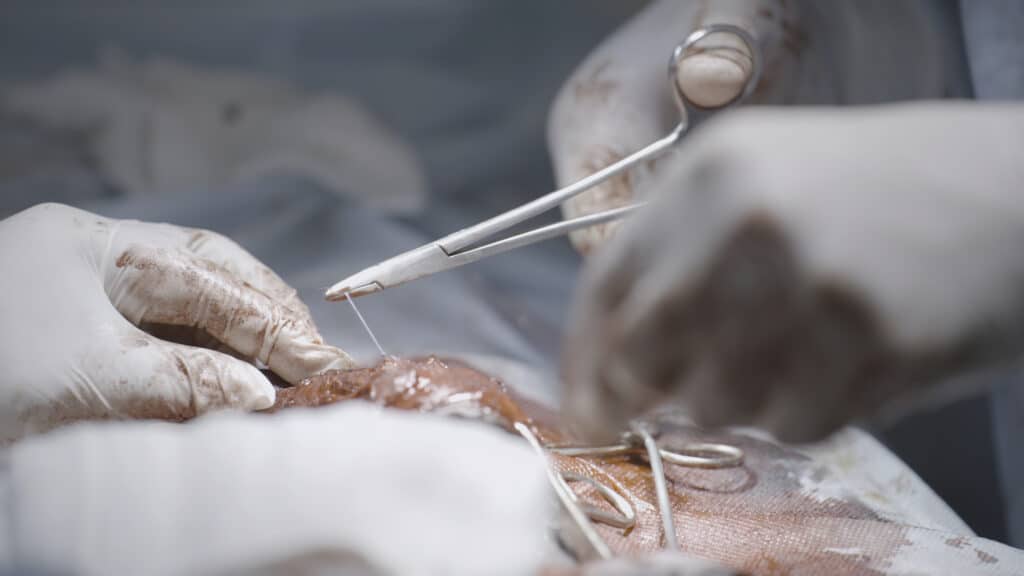
Genital Reconstructive Surgery
Surgical solutions to improve male sexual function and satisfaction.
Male genital reconstructive surgery encompasses a variety of procedures aimed at correcting or reconstructing genital structures for aesthetic and functional reasons. Many people may be dissatisfied with their genital anatomy, and we have multiple techniques to address their needs, whether to increase the girth or length of the penis. It is critical that each option be customized to each patient's expectations and desires.
For penile thickening, various techniques can be employed, including injections of substances such as hyaluronic acid or autologous fat, as well as the use of biological matrices designed to be implanted under the skin to provide greater volume.
As for elongation techniques, there are methods involving the release of the suspensory ligament and more advanced methods, such as the expansion of the corpora cavernosa through procedures like "sliding" or "multiple may". These procedures aim to increase the length of the penis effectively and safely.
Non-aesthetic reconstructive surgery is performed to repair genital structures affected by various causes, such as tumors, radiation therapy, previous surgeries or scars of various etiologies. Each case is unique and requires an individualized approach, with a wide variety of surgical techniques available to achieve optimal and satisfactory results.
In summary, for thickening of the genital structure, options include bulking injections, aspiration fat removal or implanted biological matrices. For elongation, techniques are used that free the penile structures from anchors, thus facilitating lengthening and proper tissue adaptation.
The approach to treating this condition varies depending on the severity and underlying cause. The most innovative methods include minimally invasive techniques, such as urethral dilatation using balloons with different drugs. However, there are also surgical options that cover a wide spectrum of techniques, from simple interventions to more complex procedures.
More advanced surgeries often involve tissue mobilization, with oral mucosa being the most commonly used graft. Generally, these operations last between 2 and 4 hours, require a hospital stay of one to two days and a rehabilitation period of approximately one month.
Importantly, with modern urethral reconstruction techniques, success rates usually reach around 90% in treated patients.